
In 2025, many JOMA authors make outstanding contributions to our journal. Their articles published with us have received very well feedback in the field and stimulate a lot of discussions and new insights among the peers.
Hereby, we would like to highlight some of our outstanding authors who have been making immense efforts in their research fields, with a brief interview of their unique perspective and insightful view as authors.
Outstanding Authors (2025)
Daisuke Oiwa, Hinode Makomanai Dental Hospital, Japan
Hitoshi Higuchi, Okayama University Hospital, Japan
Rijul S. Kshirsagar, Kaiser Permanente Redwood City, USA
Ruchika Sood, Neocare Orofacial Pain Relief Center, India
Rafael Santiago de Almeida, Universidade Federal dos Vales do Jequitinhonha e Mucuri (UFVJM), Brazil
Outstanding Author
Daisuke Oiwa
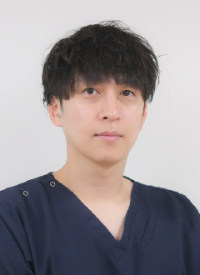
Daisuke Oiwa currently serves at the Department of Dental Anesthesiology and Perioperative Management, Hinode Makomanai Dental Hospital, and the Department of Public Health, Sapporo Medical University School of Medicine, Japan. His research areas include ultrasound-guided head and neck nerve blocks, abnormal gag reflex, dental anxiety, and prevention of early childhood caries. Recently, he is focused on studying the suppressive effects of glossopharyngeal nerve block and intravenous sedation on abnormal gag reflex, factor analysis of abnormal gag reflex, and the preventive effects of dental education on early childhood caries.
To Dr. Oiwa, a good academic paper is one that makes other researchers apply its findings to clinical practice immediately. In his personal experience, ensuring exchangeability and feasibility is the most commonly encountered difficulty in academic writing
“The enjoyment of conceptualizing ideas and the sense of accomplishment after completing a challenging manuscript are what make academic writing fascinating!” says Dr. Oiwa.
(by Brad Li, Masaki Lo)
Hitoshi Higuchi
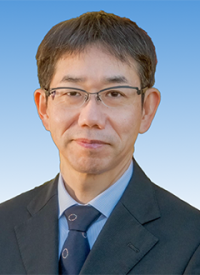
Hitoshi Higuchi, DDS, PhD, is the Associate Professor of Dental Anesthesiology, at Okayama University Hospital, Japan. His research has focused on the anesthetic management of patients with intellectual disabilities and/or autism spectrum disorder. Due to their disabilities, they have problems that need to be solved in anesthesia management, and Dr. Higuchi would like to contribute to the safe anesthesia management and health promotion by solving the problems.
JOMA: What role does academic writing play in science?
Dr. Higuchi: We always want to provide the best possible medical care to our patients, but we encounter a variety of clinical questions that are not always easy to resolve. Academic writing can help us find solutions to these questions, and patients can benefit greatly.
JOMA: How to ensure one’s writing is critical?
Dr. Higuchi: It is very difficult. I try to make decisions based on whether I can benefit the patients in light of my own experience.
JOMA: Why is it important for a research to apply for institutional review board (IRB) approval?
Dr. Higuchi: In the absence of IRB approval, researchers may put their own interests ahead of the interests of patients. Furthermore, they may not publish results that are unfavorable to themselves, and there will be no checks to ensure that the research is conducted in a manner that is fair to the patients.
(by Brad Li, Masaki Lo)
Rijul S. Kshirsagar

Dr. Rijul S. Kshirsagar is a board-certified otolaryngologist and fellowship-trained rhinologist and skull base surgeon. He currently serves as an attending physician at Kaiser Permanente Redwood City, where he leads care in endoscopic skull base and complex sinonasal surgery. He completed medical school at University of California, Irvine Medical Center, residency at Kaiser Permanente Northern California, and advanced fellowship training at the University of Pennsylvania. His clinical and research interests span sinonasal tumors, cerebrospinal fluid leak repair, frailty in skull base surgery, and the use of artificial intelligence in surgical planning. He has authored over 50 peer-reviewed publications and is a frequent speaker at national meetings, including the American Rhinologic Society and North American Skull Base Society. Connect with Dr. Kshirsagar on LinkedIn.
Key skill sets of an author, according to Dr. Kshirsagar, include the ability to communicate ideas clearly and concisely, synthesize complex information, and write with a purpose that matches the audience and context. Organization is critical as well as the ability to analyze one’s work critically. Strong writing often comes from clinical experience and a curiosity to ask the right questions, dig into the evidence, and present it in a way that others can use. Good authors also collaborate well and respond to feedback constructively.
To avoid bias in writing, Dr. Kshirsagar focuses on evidence over assumptions, considers alternative viewpoints, and uses clear, inclusive language. Peer feedback helps catch blind spots, and he aims to write with objectivity and humility.
“I’m motivated to write by the opportunity to improve patient care and surgical outcomes through research. Academic writing lets me turn clinical questions into something meaningful and share insights with the broader community. It also keeps me learning and pushes the field forward, especially in collaborative, complex areas like skull base surgery,” says Dr. Kshirsagar.
(by Brad Li, Masaki Lo)
Ruchika Sood

Dr. Ruchika Sood is a Board-Certified Orofacial Pain and Temporomandibular Disorders (TMD) Specialist, certified by the American Board of Orofacial Pain, and holds a Master of Dental Sciences along with a Clinical Fellowship in Orofacial Pain from Rutgers School of Dental Medicine, USA. She is also certified in Headache and Facial Pain by the World Headache Society. As the Founder and Director of NEOCARE Orofacial Pain Relief Center in Mumbai, she brings over 22 years of clinical experience in managing chronic facial pain, jaw disorders, headache disorders, neuropathic pain, and sleep-related breathing disorders. She integrates evidence-based, non-invasive therapies such as acupuncture, manual therapy, and pain neuroscience education into individualized treatment plans. She has conducted over 50 workshops, delivered lectures at national and international platforms, and published peer-reviewed research on persistent idiopathic facial pain, occipital neuralgia, and sensory rehabilitation. Her current focus is on advancing multidisciplinary approaches to chronic orofacial pain and patient-centered rehabilitation. Connect with her on LinkedIn.
Dr. Sood believes a strong paper is clear in purpose, honest in evidence, and deliberate in structure. It should tackle a question worth answering and present the findings in a way that makes the reader trust both the data and the author. The methodology must be transparent, the discussion thoughtful, and the visuals purposeful.
From Dr. Sood’s perspective, writing a paper is not just about presenting facts; it is about sharing insight that others can act on. Authors should keep the central question in focus, explain why it matters, and present results with precision and humility. A balanced discussion earns respect, especially when researchers acknowledge limitations alongside strengths. They should also meet the technical requirements of the journal, but also aim for a piece that will be read, remembered, and applied. The goal is not just to publish but to make the work live beyond the page.
“Every manuscript is a small act of legacy. You may never know who reads your work or how it shapes their thinking, but each paper becomes part of the architecture of progress. Even modest studies can inspire new questions, guide patient care, or spark collaborations. The process can be demanding, yet every draft sharpens your skills and deepens your understanding. Write with honesty, persist through revisions, and remember that your work might be the answer someone has been searching for,” says Dr. Sood.
(by Sasa Zhu, Brad Li)
Rafael Santiago de Almeida

Rafael Santiago de Almeida, DDS, MSc, is an oral and maxillofacial surgeon and doctoral candidate at Universidade Federal dos Vales do Jequitinhonha e Mucuri (UFVJM), Brazil. His research centers on facial trauma, therapeutics, and postoperative complications. His investigations are grounded in Evidence-Based Dentistry, prioritizing clinical trials and systematic reviews to validate surgical interventions and optimize clinical outcomes. His academic background also encompasses laboratory research dedicated to bone repair. Learn more about him here.
According to Dr. Santiago de Almeida, critical thinking, methodological rigor, and clarity are the foundational skills every author must cultivate. Authors should be able to critically appraise the existing literature, identify knowledge gaps, and formulate precise, meaningful research questions. They must design robust studies that effectively control for confounding variables and present findings with concision and transparency. Equally important is the ability to translate complex statistical results into clear, actionable clinical recommendations. Finally, authors should welcome peer review as an essential mechanism for quality assurance rather than viewing it as an impediment.
Dr. Santiago de Almeida stresses that bias must be addressed primarily at the study design stage, rather than during writing. Strict adherence to pre-registered protocols is essential to prevent selective reporting of results. Compliance with established reporting guidelines—such as those from the EQUATOR Network—ensures full transparency. Finally, conclusions should faithfully reflect the data, even if they contradict the author’s original hypothesis.
“My motivation to write is to produce reliable evidence that allows surgeons to make safer and more predictable decisions for their patients. In fields such as Oral and Maxillofacial Surgery, evidence-based research directly influences clinical decision-making and surgical outcomes,” says Dr. Santiago de Almeida.
(by Brad Li, Masaki Lo)